
A Creator's Guide: How to Get the Most Out of Your Booked Studio Time
Reviewed by StudioDock product team. Last updated April 30, 2026.
You booked the studio, paid the deposit, and lined up the team for a cover shoot, commercial video, podcast episode, or recording session. The booking is confirmed, but the work is not finished.
Studio time is rented inventory. The clock usually starts when your booking starts, not when the team is finally ready to shoot.
Spending 30 minutes looking for a cable, choosing outfits, or explaining deliverables to the engineer is a quick way to burn through the session. The practical fix is to treat the booking like a small production day before anyone arrives.
1. Treat pre-production as part of the booking
Pre-production is not only for large sets. Whether you booked two hours or a full-day rate, write down the shot list, timing, people, and equipment before the session.
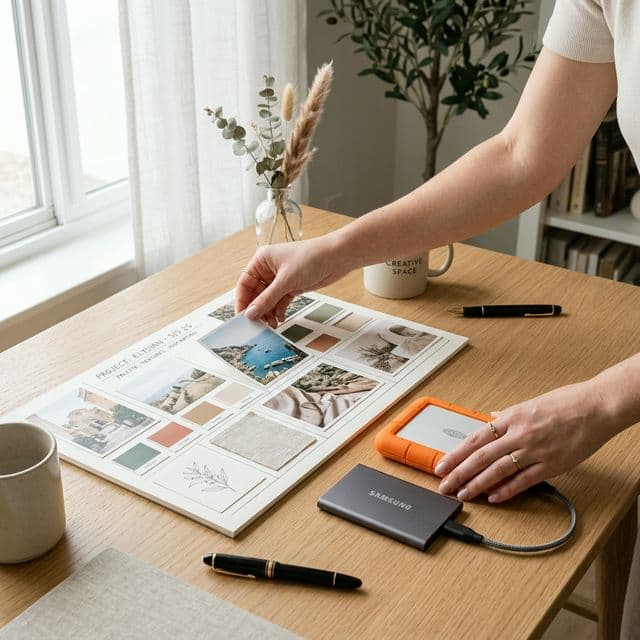
- Create a moodboard: save the exact references offline so the team is not searching during paid time.
- Map the flow: if you are shooting three outfits, decide the order before arrival and put the most complex setup first.
- Share the call sheet: make sure every model, artist, assistant, or guest has the address, parking notes, and arrival time.
2. Rent Your Gear Upfront
Many studios let you add in-house gear during checkout or in a follow-up booking flow. Use that option before the session when you already know what you need.
If you need a smoke machine, a specific Aputure light, or a paper backdrop, add it before you arrive. Staff can prepare the equipment, check availability, and attach the cost to the booking instead of improvising during setup.
3. Communication With Audio Engineers and Tech Staff
If you are booking a podcast or music recording session, the studio engineer is your greatest ally, but they can't read your mind.
Send backing tracks, project files, or production notes a few days in advance. When you arrive, be clear about deliverables: RAW audio, a mixed track, isolated vocals, specific camera angles, or a rough edit. Those details affect routing and setup.
4. Bring Redundancy (The Rule of Two)
Technology usually fails when the schedule is tight. Bring backups for the items that can stop the session.
- Hard Drives: Bring at least two portable SSDs. Do not leave the studio until you have confirmed the files transfer correctly and are backed up in two locations.
- SD Cards and Batteries: Even if the studio implies they have charging docks, arrive with fully charged batteries and formatted, empty memory cards.
- Cables: HDMI, USB-C, and XLR cords have a habit of dying mid-shoot. Bring your own backup pouch just in case.
5. Respect the Wrap Time
“Wrapping up” is part of your booked time. If you book a studio from 1:00 PM to 4:00 PM, you do not shoot until 4:00 PM and then start packing. You should aim to call it a wrap by 3:45 PM.
That gives you time to pack gear, check for missing items, remove trash, and hand the room back cleanly. It also makes repeat bookings easier because the studio knows your team can work within the time you reserve.
Ready to upgrade your studio?
Join the creative spaces switching to StudioDock to maximize every booking hour.
Start your 7-day free trial