
Creative Studio Trends in 2026: What Modern Clients Expect From Your Space
Reviewed by StudioDock product team. Last updated April 30, 2026.
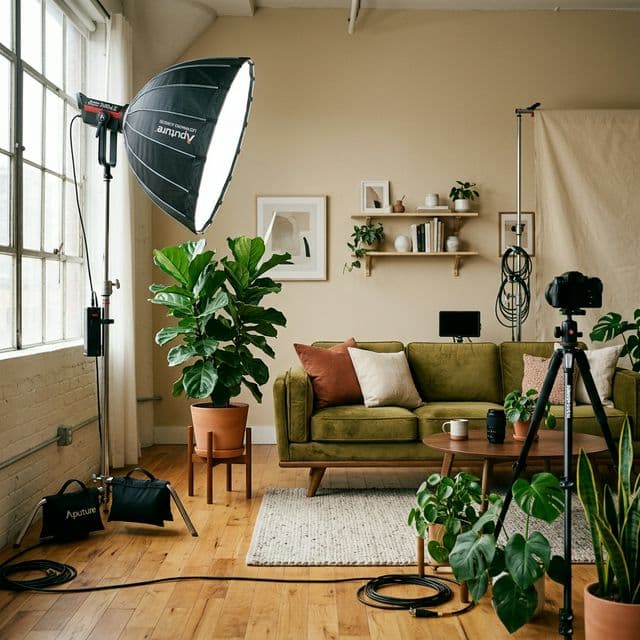
Studio clients have become more specific about what they expect before they book. A plain room with a backdrop is no longer enough for many paid productions, especially when the client is comparing several spaces online before sending an inquiry.
In 2026, the strongest studios are not only investing in camera gear or furniture. They are making the whole rental experience easier to evaluate: clear sets, clear add-ons, clear availability, and fewer manual steps between interest and a confirmed booking.
1. AI-assisted production affects how sets are planned
AI is now part of many editing, cleanup, transcription, and short-form repurposing workflows. That does not make the physical studio less important. It makes lighting, audio isolation, camera angles, and clean capture more important because weak source material still creates extra work in post-production.
- Smart tracking: PTZ camera rigs and repeatable camera presets help solo podcasters, educators, and founder-led content teams record without a full crew.
- Clean capture: consistent lighting and controlled audio give editing tools better source material, whether the client uses AI cleanup or a human editor.
2. Continuous lighting is becoming part of the base offer
Flash photography still has its place, but many studio clients now arrive with mixed photo and video needs. Continuous LED setups, practical lighting, and simple color control are easier to sell when the client can understand what is included before they book.
This is where add-on presentation matters. A studio can list a base room rate, then let clients add lighting kits, operators, or setup help during checkout instead of hiding those choices in a follow-up message.
3. Lived-in sets are competing with blank studios
Blank cyclorama walls are still useful, but many brands and creators also want sets that look like a real room: warm furniture, plants, natural light, textured walls, shelves, and practical props.
The operational detail is simple: those sets need clear photos, clear capacity rules, and clear reset time. If the room takes longer to prepare, the booking system should protect that buffer instead of relying on staff memory.
4. Booking logistics are part of the client experience
A client may love the look of a studio and still hesitate if booking requires a long message thread. They expect to see availability, understand the price, choose relevant add-ons, and know what happens after payment.
This does not mean every studio needs to automate every edge case. It means the repeatable parts should be easy: room availability, deposits or full payment, add-ons, invoices, reschedule rules, and client reminders.
StudioDock focuses on that operational layer: space-first booking, add-ons in checkout, payment context, and repeat-client workflows. When the booking path is clear, clients have fewer reasons to delay and studios spend less time rebuilding the same booking by hand.
Ready to upgrade your studio?
Join the creative spaces switching to StudioDock to maximize every booking hour.
Start your 7-day free trial